Field-Tested Triage: How to Cut Evidence Processing Time in Half During Time-on-Target Operations
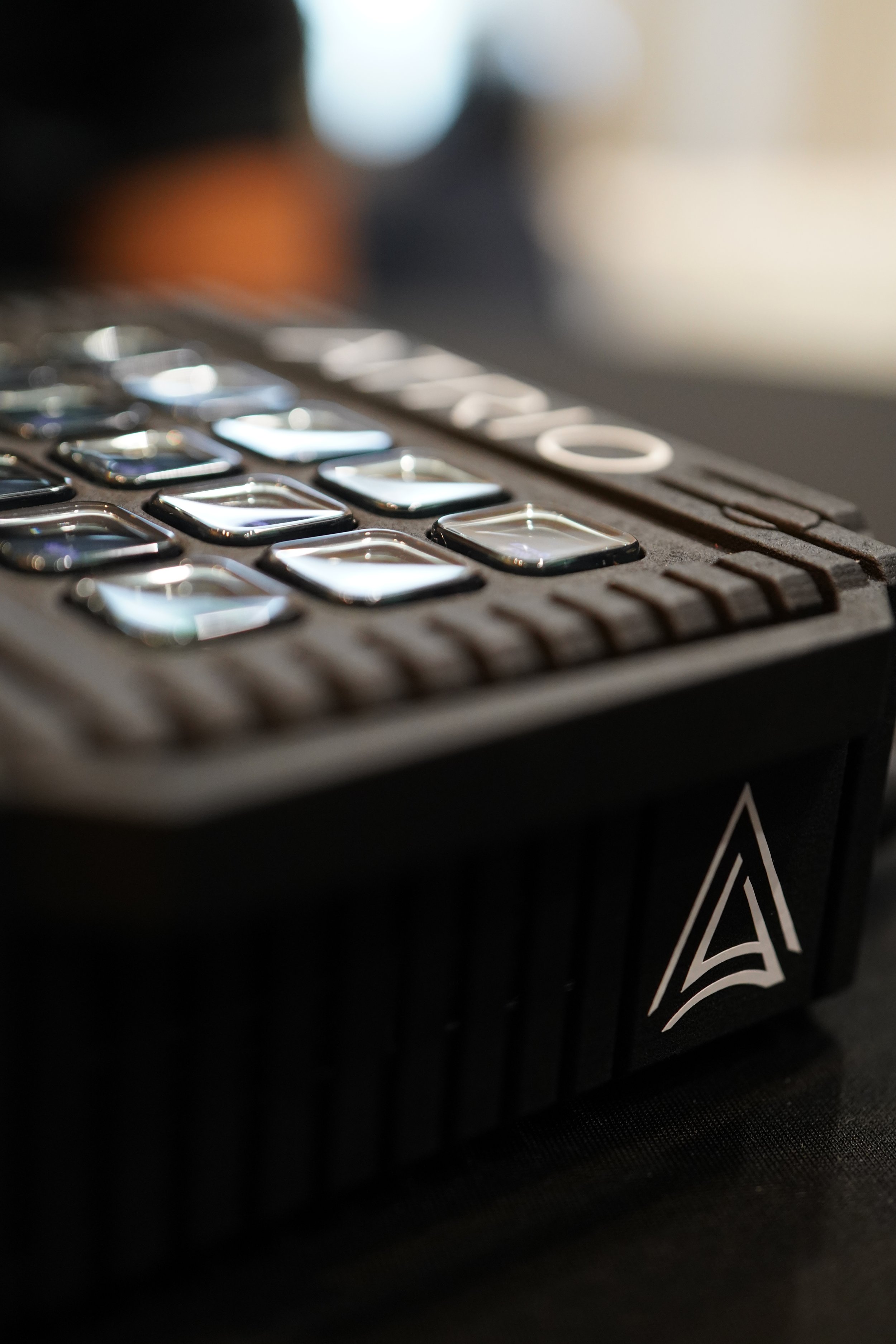
Practical digital forensics workflows for real-world operations — built for when the clock is ticking.
The Reality: You Don’t Have Time for “Full” Forensics in the Field
When you’re executing a search warrant or running a time-on-target mission, you’re not in a lab — you’re in a living, unpredictable environment. Devices are everywhere. Data is massive. Command wants intel now, not a week from now.
Traditional collection methods — imaging everything, packing it up, and sorting it later — simply don’t fit operational tempo. You need answers on scene that can guide next steps and justify decisions in real time.
That’s where field-tested triage techniques become your advantage.
What “Battlefield Forensics” Really Means
Battlefield forensics was born from the need to make time-sensitive, defensible decisions in hostile or high-pressure environments — without full lab resources.
The approach is simple:
“Exploit what you can, where you are, with what you have.”
The goal is actionable intelligence — fast. And that same approach applies to federal and law enforcement teams executing warrants today.
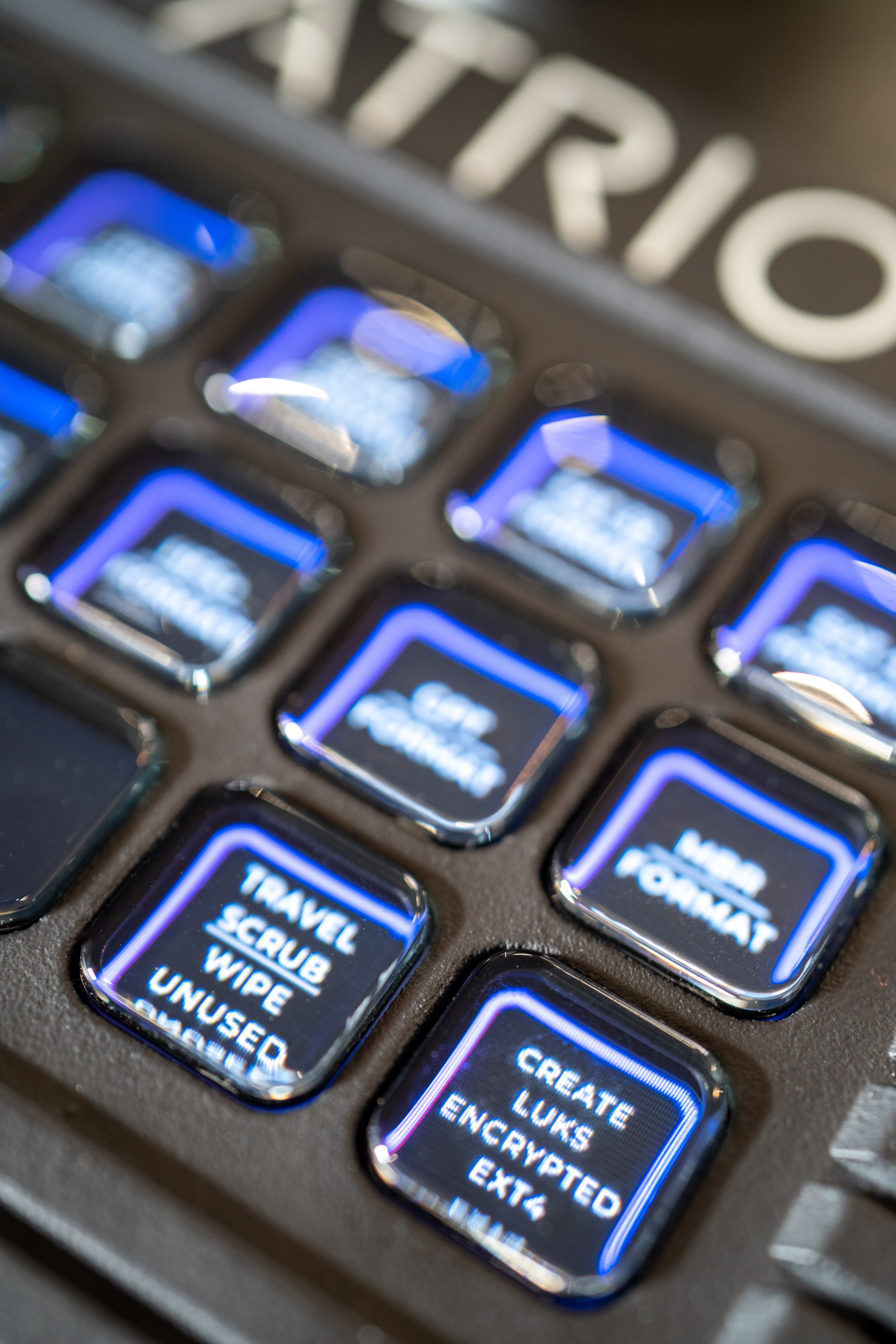
“Exploit what you can, where you are, with what you have.”
Six Field-Tested Techniques for Fast, Defensible Triage
These are the techniques operators, agents, and on-scene examiners are using right now to make every minute count.
1. Lead With a Mission Question
Before you even open your toolkit, define why you’re there.
Ask:
“What’s the most critical question I need to answer in the next 30 minutes?”
Examples:
“Is data exfiltration in progress?”
“Which user account owns this evidence?”
“Is this system active in the incident?”
When your triage aligns with the mission question, every action is defensible — and nothing is wasted.
Result: Focused, intelligence-driven collection that supports immediate decision-making.
2. Recon Before Image
Borrowed from SANS battlefield forensics: perform a digital recon pass before touching full acquisition. Run lightweight, read-only tools to extract metadata, running processes, USB history, or recent activity. This gives you situational awareness before committing time and resources.
Result: You quickly identify priority targets — and avoid imaging 20 irrelevant devices.
3. Prioritize Volatile and User-Centric Data
In field operations, time kills volatility. Grab memory, temp files, live logs, and user folders first. These tell you who, what, and when faster than any full image.
Result: Rapid situational clarity while maintaining evidentiary integrity.
4. Use Tiered Triage Kits
Organize your gear into levels based on mission need:
Tier 1 – Rapid Triage Kit: portable SSD, live scripts, hash verification, notepad, write-blocker.
Tier 2 – Field Acquisition Kit: imaging tools, adapters, evidence tags, and chain of custody forms.
Tier 3 – Full Lab Follow-Up: detailed analysis, validation, deep file carving.
Result: You deploy only what the scene requires — no more hauling the entire lab to every warrant.
5. Log Everything — Even Under Pressure
Battlefield forensics emphasizes documentation discipline. Even if you’re moving fast, capture tool names, timestamps, and operator initials. A 30-second note can save hours of defensibility later.
Result: Fast doesn’t mean sloppy. You preserve the chain of custody and credibility.
6. Push Results Forward, Not Just Data
Your goal in the field isn’t to collect — it’s to inform.
When you can provide actionable leads or confirm evidence relevance before leaving the scene, you immediately enhance mission tempo.
Result: Command gets answers, not excuses — and your team avoids rework downstream.
The Big Shift: From “Capture Everything” to “Answer Something”
This mindset is what separates efficient operations from overwhelmed ones.
You don’t have to image every drive to produce actionable intelligence — you just need to focus on the data that advances the mission.
That’s what battlefield forensics is really about: decisive, defensible actions under time pressure.

Final Takeaway
Whether you’re standing in a living room executing a warrant or deployed forward under limited comms, your triage process should feel like muscle memory — fast, methodical, and mission-aligned.
Because at the end of the day:
The best evidence is the kind you can act on before you leave the scene.
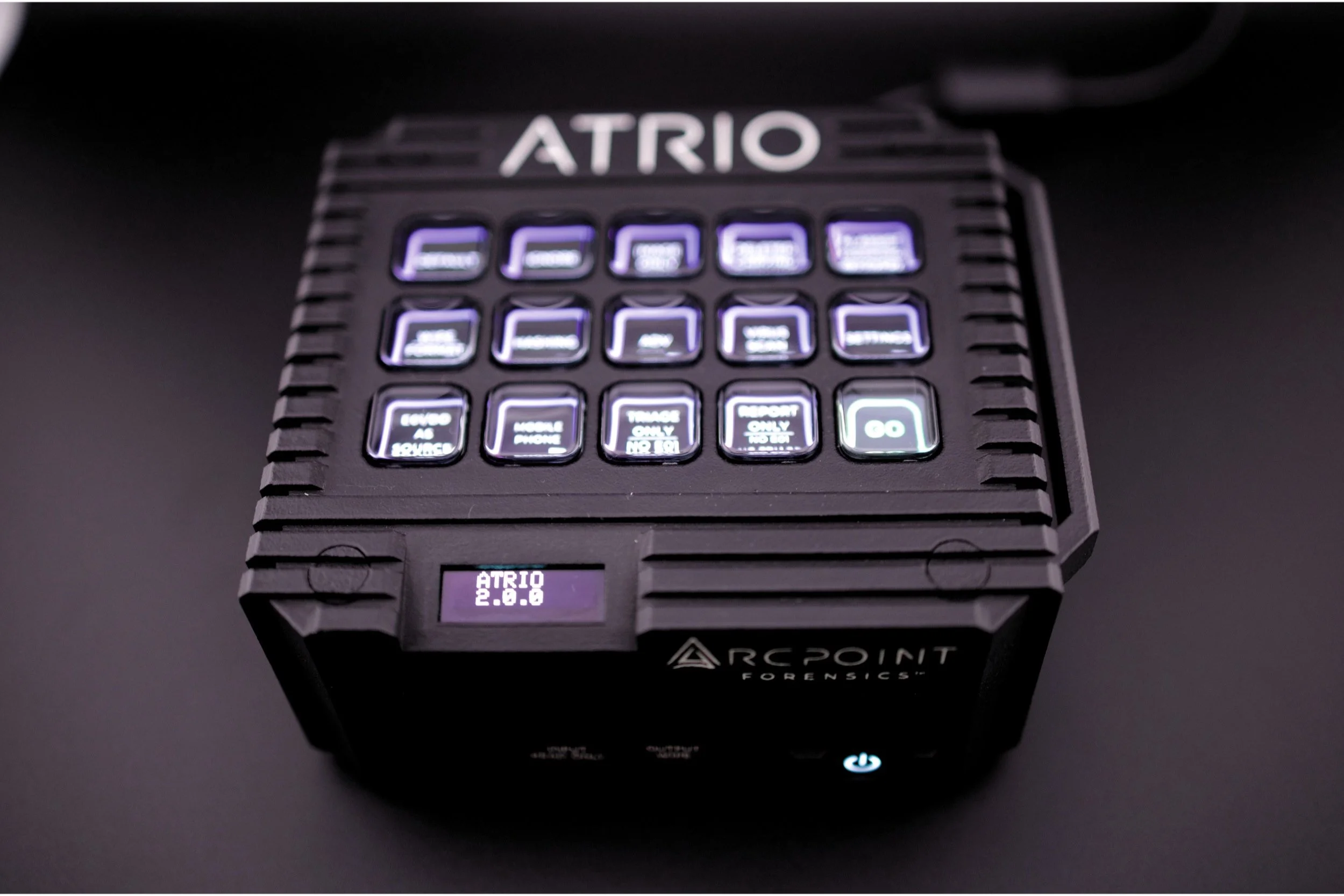
Follow @arcpointforensics for more field-tested digital forensics workflows — built for operators, not spectators.